
In 1942, the Italian architect Luigi Moretti proposed that, in order to transcend the limitations of traditional architecture, a new methodology was needed—one in which logical constraints would dictate the form, as a response to the functional requirements of design.
Moretti was a strong advocate for the integration of mathematics and architecture. This fascination arguably dates back to the origins of the profession itself, as mathematical principles are fundamental to the perfect patterns we continuously observe in nature. As a practitioner, Moretti’s ideas were well ahead of his time, particularly because the computational capacity needed to fully integrate mathematics and computer technology into design processes was still decades away.
The potential of computers in the architectural world was later revisited by Nicholas Negroponte. His work, “The Architectural Machine”, explored how architecture could better leverage technological tools. Even at that time, he envisioned an interaction between humans and computers that closely resembles our current daily interactions with AI. (Interfaces for Architecture Machines)
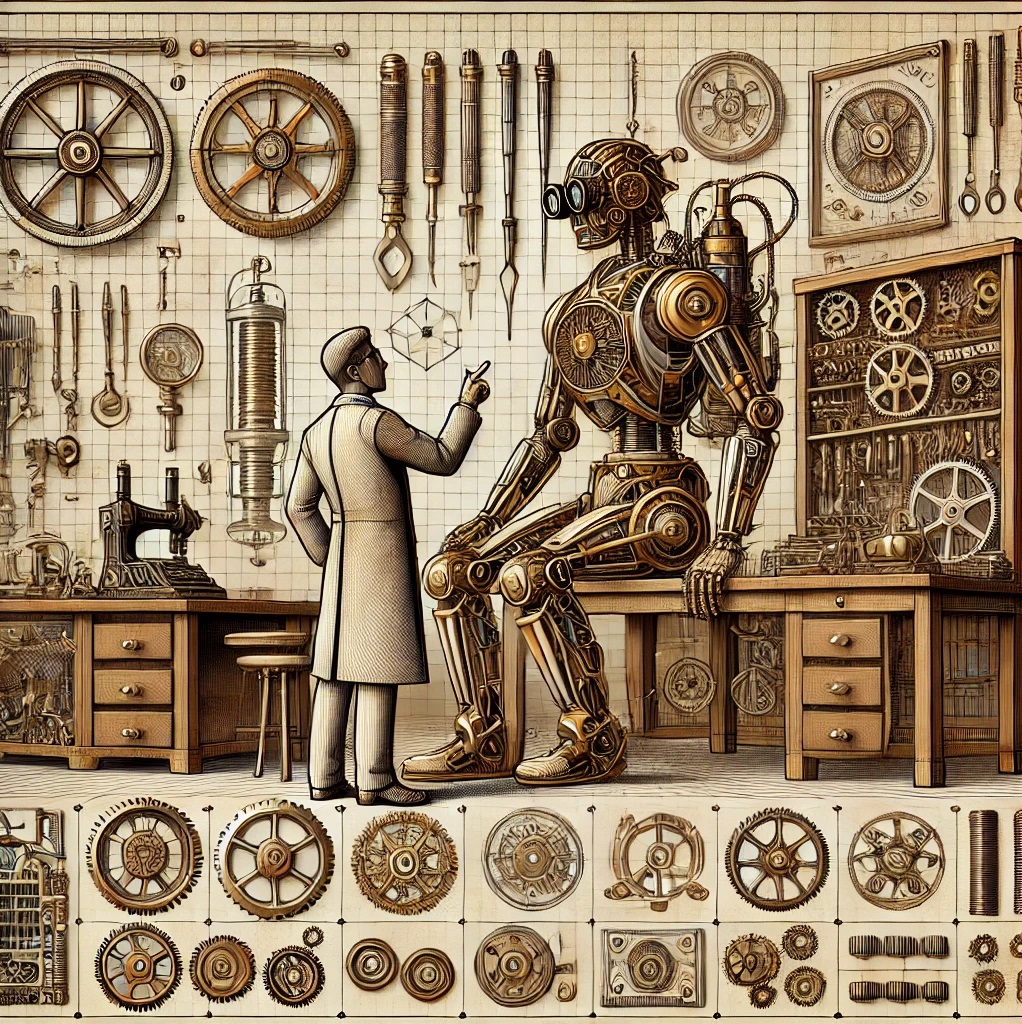
F. Computer-man communication– Generated with ChatGPT with Dall.E3
Around the same time, Engel echoed a similar concept in his work on Structural Systems. He champions the integration of structure—arguably the physical manifestation of mathematics in the built environment—with architecture. However, Engel makes a clear distinction between natural systems, those occurring in nature, and the technical environment, which is a purely human enterprise.
While this approach is not directly related to computers, we can extend the concept to the vast computational power required to implement such ideas. Engel also advocated for the use of imagery to support the integration of structures into the everyday language of architects, as mathematics—being less visual in nature—was more traditionally within the domain of engineers.
As expressed by the same author, by definition, the vast array of activities we carry out in the built environment can be considered “anti-natural.” Our constructions, after all, serve as shelters from the elements. And, given our current technological limitations, they cannot be seamlessly integrated into natural environments—at least, not yet.
It is within this landscape, amidst the current technological revolution, that we are witnessing the rise of parametric design. From a purely theoretical perspective, one could argue that the first integrations may come through structures, as they are more clearly defined and documented within the realm of computing. The development of 3D geometry and visualization, after all, has been evolving for several decades.
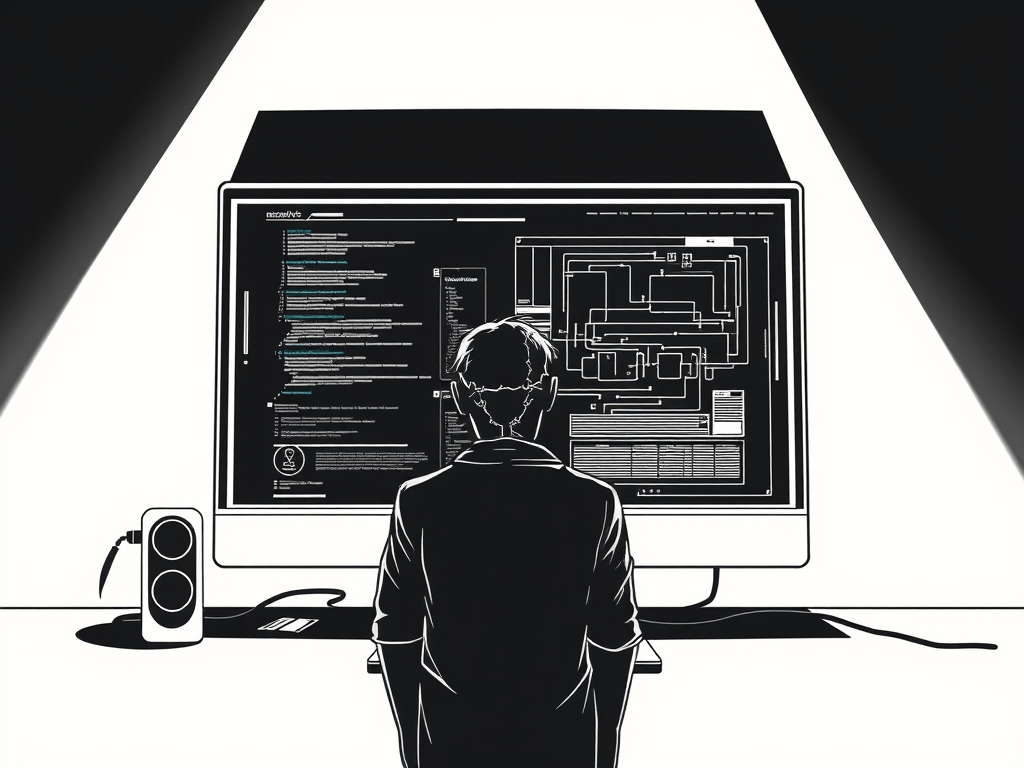
When expressed visually, algorithms become a more comprehensible language for practitioners, allowing them to integrate mathematical elements into their designs as needed.
This opens up a wide range of possibilities, from material optimization in mass production to defining optimal material sections that not only appeal to aesthetic tastes but also address environmental concerns and advanced design challenges.
However, this optimism comes with its challenges. The demands on architects are increasing, as “computer programming” now becomes yet another skill they must master in addition to the ever-growing list of responsibilities. As of now, we stand at the threshold of this new era—where, indeed, thus there was the algorithm.



 _BlnkTerminal
Share what you think!