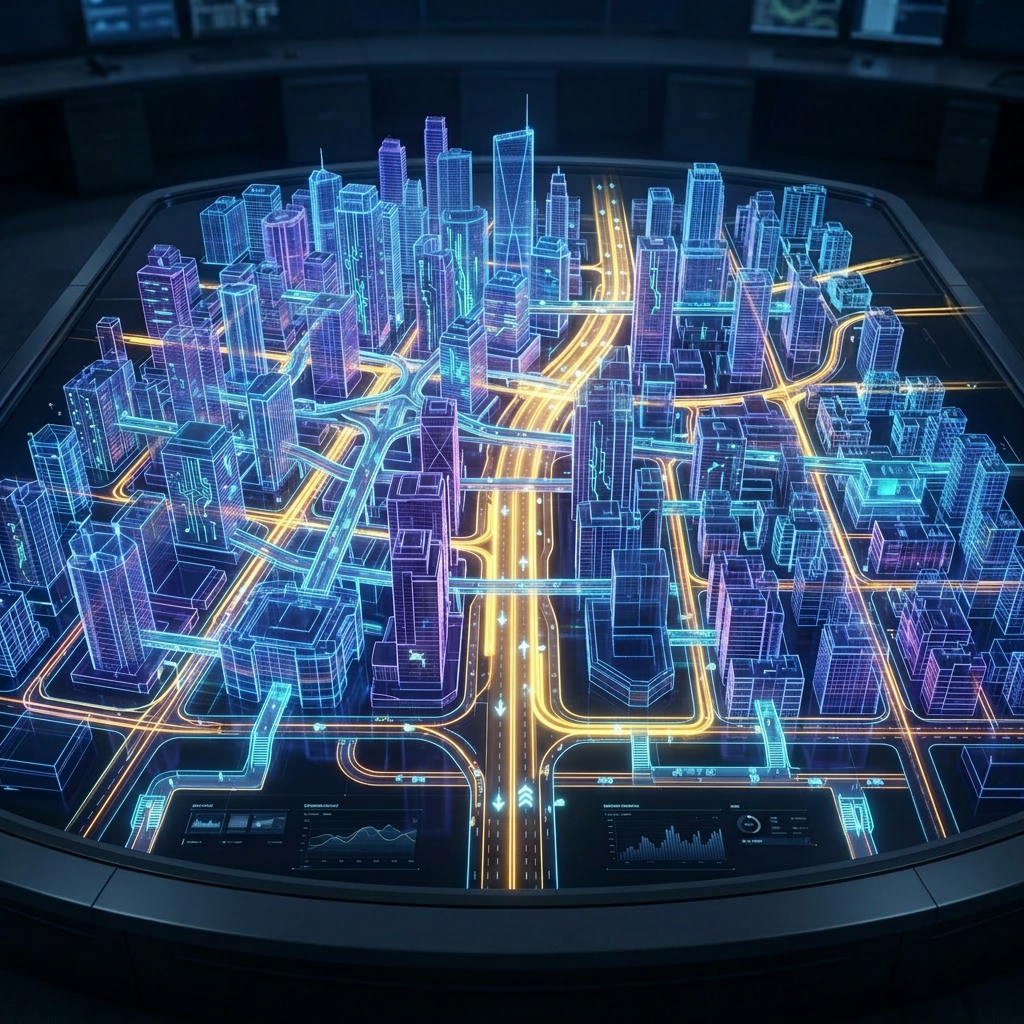
A couple of weeks ago, I had the pleasure of presenting at Symetri’s BIM Summit, organized in Stockholm. Among my peers, we discussed many issues affecting the industry, mostly around AI and current changes in the business model.
However, a problem that keeps coming back to me is the ever-increasing interaction between the cyber domain and the infrastructure that we continue to digitize at a galloping pace.
The problem is not digitalization on its own, but rather the present vulnerabilities our infrastructures expose to adversaries—vulnerabilities that are not only difficult to prescribe but, in many cases, have never been encountered before.
Security as a commodity was, until recently, a relatively closed matter. After all, the placement of limiting artefacts, the control of pedestrian flows, and risk evaluations based on physical infrastructure should be basic military disciplines that we have dealt with, in one way or another, from a planning perspective since the earliest human settlements.
In fact, this is so well understood that Microsoft educational material on anti-patterns—common mistakes made while protecting digital assets—illustrates these points using the classic war game Age of Empires 2.
The nature and competition of adversarial interests take on a different dimension when we interact through a CDE (Common Data Environment, as described in the ISO 19650 series).
This is slowly but surely pushing us to re-evaluate security and risk as a doctrine, as huge swaths of our infrastructure move into invisible systems that subtly affect daily life but with which we cannot directly interact, and which remain under constant threat from forces we may not be able to see.
The problem is that our buildings now exist simultaneously in two realities: the virtual and the physical. The first has relatively few mobility restrictions and presents extreme asymmetrical dangers, in which small actors not only operate with near impunity but also cause damage normally reserved for large, coordinated groups in the physical world.
In a world of increasing conflict, for the wider public to maintain a modicum of security, we need to start considering risk management and defense disciplines as part and parcel of how we design our cities.
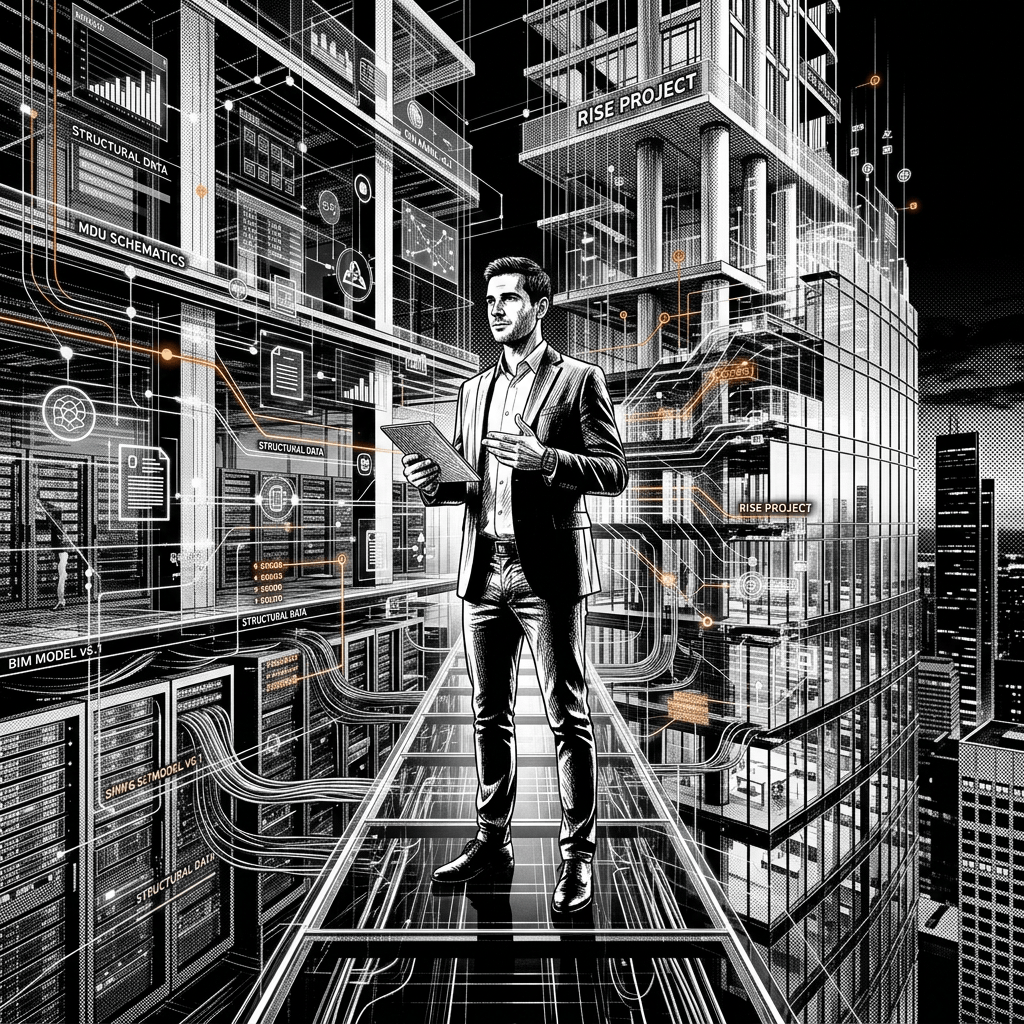
To name it clearly, a single model nowadays does not only include geometrical data, which represents the classical risk of the built element, but also technical specifications, which can weaken the composition of materials, and, additionally, metadata elements, or information pertaining to the operational models of the different organizations making use of the infrastructure.
Ultimately, as many predicted before—and arguably in our present reality—we are already in an era of hybrid professionals, which requires that we collaborate more and act in a more unified manner, with different tools and talents that, at first glance, might not seem like the most intuitive fit.
Then again, it is practitioners—the human factor—that will ultimately determine the outcome.
The Pocket AI Guide is out!
📙 Amazon US: https://a.co/d/gCHHDax
📗 In Europe Amazon Germany: https://amzn.eu/d/3cmlIqa
(Available in other stores Amazon stores too in Europe)
Check the free resources in this website!




Share what you think!