By design, collaboration in the building industry deals with topics related to coordination.
The capacity to have a single model—a digital twin—replicating the reality of their physical counterparts is a massive advantage for Operations and Management (O&M), as it saves time and space and constitutes the fundamental business model of well-known platforms such as Dalux or Solibri.
For these operational models to work, production must consider transparency a core value.
Transparency in both production and coordination allows the different actors to see beyond their particular production modes and focus instead on the coordination issues that would normally arise from the operations of so many actors that are ultimately independent, but operate as a single enterprise.
It also helps the owner or responsible entity establish and clearly control Asset Information Requirements (AIR) and Exchange Information Requirements (EIR), as required.
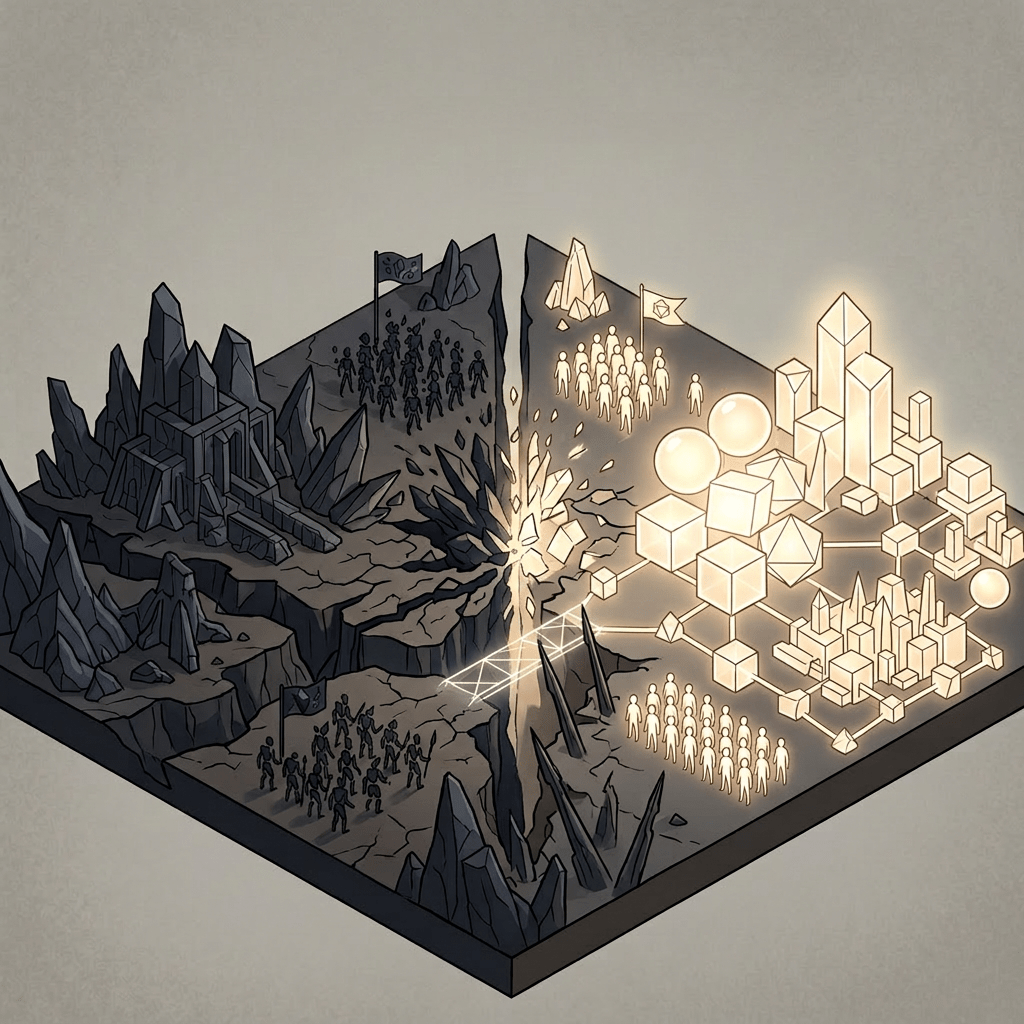
This is a very different logic from the one that we normally apply in cybersecurity. Strategies such as Zero Trust are based exclusively on limited access (or on-demand participation), with exclusive, specified, and clearly scoped levels of risk and evaluations tied to the provided access. In this methodology, transparency is not an advantage but a fatal flaw in the system.
If you are dealing with an agglomerate of files, or even a project hotel with segmented information, then the problem is technically non-existent beyond regular security considerations, many of them covered and well explored under standards such as ISO 27001.
While quantum risks pose a threat under a wider definition of risk, in general, current security measures are quite solid and have permitted adequate implementation of security triage and protective strategies that work relatively well even in organizations with varying levels of tech savviness.
However, segmenting a subset of files is quite different from the operational logic of ISO 19650 and the governing methodologies of BIM, as we ultimately require access to the system from different actors. This basically breaks the concept of the fence in the first place, as we have to participate on equal terms within the determined Common Data Environments (CDEs).
It’s said that in ancient times, the Great Wall of China was failed not because of the ingeniousness or warfare capacity of the enemy, but because there was always someone on the other side willing to open the door.
In systems in which we have operated under the assumption of mutual cooperation, we will be forced to reconsider new dilemmas as we face challenges of sovereignty, clearances, and, in general, the value of our infrastructure.
Asymmetrical risks and their potential to be exploited with the intention of causing harm might be at a turning point, in which defense theory, so accurately applied for centuries as part of basic military inventiveness, moves into new dimensions in which technology, cooperation, and shared information might become our greatest weakness.
The Pocket AI Guide is out!
📙 Amazon US: https://a.co/d/gCHHDax
📗 In Europe Amazon Germany: https://amzn.eu/d/3cmlIqa
(Available in other stores Amazon stores too in Europe)
Check the free resources in this website!






Share what you think!